 DIS RUBRIC · EST. 2026
An integrity referee for public debates. We score how each side argued, never who won.
David Pakman, Ben Shapiro, Don Lemon, Tara Palmeri | Reuters NEXT Conference Debate, December 2025
The panel · 5 debaters · each scored against the rubric
Watch
The final scores. Press play: they reset to zero and assemble as the evidence lands.
Don Lemon
Live90
CRUXN=8
CLEAN1,662W
DEALTN=8
TALK40T
David Pakman
Live97
CRUXN=9
CLEAN1,337W
DEALTN=9
TALK17T
TP
Tara Palmeri
Live83
CRUXN=8
CLEAN1,575W
DEALTN=8
TALK16T
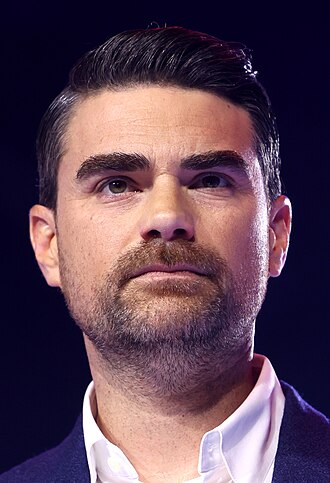
Ben Shapiro
Live97
CRUXN=15
CLEAN2,155W
DEALTN=15
TALK26T
The Stats
Every point, the score over time, and what the rubric recordedWhere each score came from · segment width is the weighted contribution
Ben94Don92David92Tara81
CRUX45%confronted the point · talked around it · evadedCLEAN30%logical fallacies · record denial · strawmanDEALT15%concessions · owned errors · common groundTALK10%interruptions · talking over
Every debater's score across the hour · dots are scored moments · click any dot to watch it
All points & topics debated
INTROThe debate hasn't started scoring yetIntroductions and framing · nothing charged or credited▸
Table of Contents
Every point, in order. Jump to any of them
±0Young audiences turn to individuals over organizationsraised by Mitali · Mitali confronted it · at 12:04 ▸▸
MMTHE CRUX: Young audiences increasingly turn to individual creators with clear political sides rather than to news organizations: defend or rebut.
MM
“increasingly young audiences especially have been turning to spaces that are online... turning to individuals rather than organizations, which is news creators... They tend to have quite often clear political sides.”Mitali Mukherjee · 2:08 · U-006 ▶
Confronted the point Mukherjee advances and supports the claim with institute research that young audiences turn to individual creators with clear political sides.45DIS · earned in full
the math ▸
importance ×1 = 1 of 1 weighted challenge points · × 45% (crux share of DIS) = 45 DIS earned in full±0Independent creator journalism keeps newsroom rigorraised by Tara · Tara confronted it · at 15:48 ▸▸
TPTHE CRUX: Independent creator journalism can apply the same investigative rigor and truth-seeking as a legacy newsroom while using creator tools: defend it or rebut it.
TP
“I felt that I could apply the same rigor of investigative journalism, analysis, just seeking the truth, and that being my, my guiding force and light in this”Tara Palmeri · 4:42 · U-007 ▶
Confronted the point Palmeri defends the proposition directly, claiming she applies newsroom-standard investigative rigor and truth-seeking using creator tools.6DIS · earned in full
the math ▸
importance ×2 = 2 of 15 weighted challenge points · × 45% (crux share of DIS) = 6 DIS earned in fullDon+4DEALTCable/traditional news in structural declineraised by Don · Don confronted it · at 8:06 ▸▸
MM
“What's the story of why you decided to transition away from mainstream media, a space like CNN?”Mitali Mukherjee · 7:35 · U-019 ▶
“Well, I got pushed out of mainstream media, so.”Don Lemon · 7:40 · U-020 ▶
Direct answer to a hard question Asked why he left cable news, Lemon takes the uncomfortable truth head-on rather than offering a face-saving account. Medium confidence.+4DEALT
“there are going to be people who will have to do— they'll be forced to do what I'm doing now.”Don Lemon · 8:09 · U-024 ▶
Confronted the point Lemon defends the structural-decline thesis, predicting others will be forced into independent creation.4.7DIS · earned in full
the math ▸
importance ×2 = 2 of 19 weighted challenge points · × 45% (crux share of DIS) = 4.7 DIS earned in full±0Audiences want authentic individuals, not filtersraised by Don · Don confronted it · at 8:34 ▸▸
“They want to get their information from people they like and trust without all the filters.”Don Lemon · 9:05 · U-026 ▶
Confronted the point Lemon defends the claim that audiences want trusted, authentic individuals without the legacy filters, including removing his desk.4.7DIS · earned in full
the math ▸
importance ×2 = 2 of 19 weighted challenge points · × 45% (crux share of DIS) = 4.7 DIS earned in full±0Traditional 'CNN-set' look now reads as stuffyraised by David · David confronted it · at 9:28 ▸▸
“they see that kind of more traditional, staid look, and they say, this feels stuffy. I actually want something different.”David Pakman · 10:17 · U-032 ▶
Confronted the point Pakman defends the claim that the once-credible CNN-set look now reads as stuffy to audiences.3DIS · earned in full
the math ▸
importance ×1 = 1 of 15 weighted challenge points · × 45% (crux share of DIS) = 3 DIS earned in full±0Authenticity is not credibility; higher moral dutyraised by Ben · Ben confronted it · at 14:05 ▸▸
THE CRUX: Authenticity is not a substitute for credibility, and independent creators bear a higher moral duty than legacy outlets with institutional checks: defend or rebut.“The problem with authenticity is that it is not really a substitute for credibility... the sort of moral duty of people in our space is actually higher than maybe it would be in a system that has more checks and balances”Ben Shapiro · 12:48 · U-037 ▶
Confronted the point Shapiro affirms both halves of the crux: authenticity is not credibility, and creators carry a higher moral duty than checked institutions.6.1DIS · earned in full
the math ▸
importance ×3 = 3 of 22 weighted challenge points · × 45% (crux share of DIS) = 6.1 DIS earned in full±0Report hard facts vs feed audience what it wantsraised by David · David confronted it · at 18:03 ▸ · Don confronted it · at 18:59 ▸ · Tara confronted it · at 15:48 ▸ · Ben confronted it · at 19:32 ▸▸
TP
“you can chase an audience, and you can tell them exactly what they want to hear. But is that is that ethical? I mean, not to me.”Tara Palmeri · 16:27 · U-046 ▶
Confronted the point Palmeri denies the ethics of telling the audience what it wants and affirms interviewing wherever the facts lead.9DIS · earned in full
the math ▸
importance ×3 = 3 of 15 weighted challenge points · × 45% (crux share of DIS) = 9 DIS earned in full“a very loud, but I think probably small slice of my audience said that we need positivity, that this is not what the moment calls for... It just wasn't what it was.”David Pakman · 17:50 · U-052 ▶
Confronted the point Pakman recounts reporting unfavorable polling against audience demand for positivity, defending fact-reporting as the right choice.9DIS · earned in full
the math ▸
importance ×3 = 3 of 15 weighted challenge points · × 45% (crux share of DIS) = 9 DIS earned in full“I'm sorry, I've got to give you the facts. So you can be pressured into having a bias towards just feeding people what they want, whether that's left or right, and you have to fight against that.”Don Lemon · 19:22 · U-057 ▶
Confronted the point Lemon affirms reporting facts over feeding the audience and names the pressure to be resisted.7.1DIS · earned in full
the math ▸
importance ×3 = 3 of 19 weighted challenge points · × 45% (crux share of DIS) = 7.1 DIS earned in full“the easy incentive is to go for the sugar high of giving the audience precisely what they want, but you actually lose your authenticity.”Ben Shapiro · 19:37 · U-058 ▶
Confronted the point Shapiro affirms that giving the audience what it wants sacrifices authenticity, defending fact-reporting as the long-term choice.6.1DIS · earned in full
the math ▸
importance ×3 = 3 of 22 weighted challenge points · × 45% (crux share of DIS) = 6.1 DIS earned in fullBen+4.5DEALTAlgorithms drive polarization / online = less informedraised by Ben · Ben confronted it · at 21:28 ▸▸
THE CRUX: Social algorithms optimize for virality and outrage and make heavier users less informed and more polarized: defend it or rebut it.“the way that algorithms engage directly with what triggers the most emotional response is a direct driver of the hyperpolarized nature”David Pakman · 20:37 · U-063 ▶
“The algorithms are destroying America. This is my informed view.”Ben Shapiro · 21:23 · U-065 ▶
Common ground Shapiro builds on Pakman's point that algorithms drive polarization, naming the agreement across political lines and developing it. Medium confidence.+4.5DEALT
“the more time you're spending on X or the more time you're spending on TikTok, maybe the less informed you are and also the more polarized you are”Ben Shapiro · 23:01 · U-067 ▶
Confronted the point Shapiro affirms the crux with a mechanism: algorithms program for virality, and heavier use leaves users less informed and more polarized.6.1DIS · earned in full
the math ▸
importance ×3 = 3 of 22 weighted challenge points · × 45% (crux share of DIS) = 6.1 DIS earned in full±0Get offline / a 'Sabbath' as depolarizing remedyraised by Ben · Ben confronted it · at 23:41 ▸▸
THE CRUX: Regularly disconnecting from phones and social ('a Sabbath') is the practical remedy to depolarize the electorate: defend or rebut.“Everybody needs a form of Sabbath. You should get off your phone on Friday night... The more online we are, the more polarized we are.”Ben Shapiro · 22:28 · U-067 ▶
Confronted the point Shapiro defends disconnecting ('a Sabbath') as the practical depolarizing remedy.2DIS · earned in full
the math ▸
importance ×1 = 1 of 22 weighted challenge points · × 45% (crux share of DIS) = 2 DIS earned in full±0Why right-wing voices predominate on platformsraised by Mitali · Ben confronted it · at 24:39 ▸ · David confronted it · at 25:42 ▸▸
MMTHE CRUX: The predominance of right-leaning top creators is explained by the right adapting first to new platforms after being shut out of legacy media: defend, rebut, or offer an alternative.
“the right is the first to adapt because they feel shut out of traditional spaces.”Ben Shapiro · 24:42 · U-076 ▶
Confronted the point Shapiro defends the thesis that the right adapts first to new platforms when squeezed out of legacy spaces.4.1DIS · earned in full
the math ▸
importance ×2 = 2 of 22 weighted challenge points · × 45% (crux share of DIS) = 4.1 DIS earned in full“the left has also been very hesitant to really fund a lot of these operations at a bigger level. And that, I think, has held back also the independent left spaces”David Pakman · 25:43 · U-077 ▶
Confronted the point Pakman engages via the branch the crux allows, offering an alternative/complementary explanation about left-side underfunding.6DIS · earned in full
the math ▸
importance ×2 = 2 of 15 weighted challenge points · × 45% (crux share of DIS) = 6 DIS earned in fullTara−0.5TALKBen+3DEALTLeft lagged in independent media due to underfundingraised by David · David confronted it · at 27:03 ▸▸
“They're all getting supported through these packs.”Don Lemon · 26:47 · U-086 ▶
“But not nearly to the—”Don Lemon · 26:49 · U-087 ▶
TP
“No, they're behind, but they didn't need it because they could just go to cable news and get interviews over and over and over.”Tara Palmeri · 26:50 · U-088 ▶
Interruption Palmeri cuts into Lemon's unfinished sentence to advance her own point about the left relying on cable news. Medium confidence.−0.5TALK
“I think they were behind the curve in realizing that the power of that was diminishing.”David Pakman · 27:03 · U-091 ▶
Confronted the point Pakman defends his own thesis that underfunding held the left back and that funders were slow to see legacy media's declining power.6DIS · earned in full
the math ▸
importance ×2 = 2 of 15 weighted challenge points · × 45% (crux share of DIS) = 6 DIS earned in full“I totally agree with you.”Ben Shapiro · 27:06 · U-092 ▶
Common ground Shapiro names explicit agreement with Pakman that legacy-media funders were behind the curve, converging with an opponent across the aisle. Medium confidence.+3DEALT
±0Top news creators are mostly menraised by Mitali · Tara confronted it · at 28:09 ▸▸
MMTHE CRUX: Is the male predominance among top political news creators a structural problem, and will it self-correct: defend, rebut, or explain.
TP
“I hope that in a few years from now it's way more balanced. But I just look at it as the news industry evolved as well. It started off with all men.”Tara Palmeri · 28:13 · U-098 ▶
Confronted the point Palmeri explains the male predominance as a stage in the industry's evolution and predicts it will self-correct toward balance.6DIS · earned in full
the math ▸
importance ×2 = 2 of 15 weighted challenge points · × 45% (crux share of DIS) = 6 DIS earned in fullDon+2DEALTDavid+2DEALTCorporate money will enter and scoop market shareraised by David · David confronted it · at 30:29 ▸▸
“those who come in with the funds are going to very quickly kind of scoop up market share.”David Pakman · 31:13 · U-106 ▶
Confronted the point Pakman defends the prediction that funded legacy players will rapidly scoop market share as the pie stops growing.6DIS · earned in full
the math ▸
importance ×2 = 2 of 15 weighted challenge points · × 45% (crux share of DIS) = 6 DIS earned in full“I do think the spaces are starting to get a little bit more crowded. where there's more of a shift between creators rather than like we're just growing the pie at the same time that everybody's getting their slice. So I don't know where that goes in the next 5 to 8 years.”David Pakman · 31:38 · U-106 ▶
Acknowledged uncertainty Pakman admits he does not know how the market shakeout resolves, where a confident forecast was available. Medium confidence.+2DEALT
“Yeah, I don't know either. I don't look at people as competitors either.”Don Lemon · 31:52 · U-107 ▶
Acknowledged uncertainty Lemon openly says he does not know the market's trajectory rather than offering a confident answer. Medium confidence.+2DEALT
±0Small teams can produce network-quality coverageraised by Don · Don confronted it · at 33:24 ▸▸
“we did it with my small team, which is a team of 4 people... And it was network-quality coverage that people tuned into”Don Lemon · 32:55 · U-110 ▶
Confronted the point Lemon defends the claim with a concrete example of a four-person team producing network-quality coverage.4.7DIS · earned in full
the math ▸
importance ×2 = 2 of 19 weighted challenge points · × 45% (crux share of DIS) = 4.7 DIS earned in fullBen+6DEALTNew media will face legacy media's editorial-standards questionsraised by Ben · Ben confronted it · at 34:49 ▸▸
THE CRUX: As new-media outlets scale they will face the same editorial-standards and accountability questions (who to platform) as legacy media: defend or rebut.“What that meant was bringing on other creators, some for good, some for ill.”Ben Shapiro · 34:40 · U-114 ▶
“Yeah, regrets, we have a few.”Ben Shapiro · 34:49 · U-118 ▶
Owned an error Shapiro admits some of the creators his company brought on were mistakes, owning a past decision. Medium confidence.+6DEALT
“we're going to have to face a lot of the same questions the legacy media outlets face about who you want on your air, what are the editorial standards”Ben Shapiro · 34:53 · U-118 ▶
Confronted the point Shapiro defends the claim that scaling new media will face the same editorial-standards questions as legacy media.4.1DIS · earned in full
the math ▸
importance ×2 = 2 of 22 weighted challenge points · × 45% (crux share of DIS) = 4.1 DIS earned in fullDon+4.5DEALTDavid+9DEALTTara+4.5DEALTBen+4.5DEALTBen−3.1CRUXDon−3.6CRUXTara−4.5CRUXAre news creators essentially remixers?raised by Mitali · David conceded it · at 35:49 ▸ · Ben half-answered it · at 37:23 ▸ · Don half-answered it · at 36:40 ▸ · Tara half-answered it · at 38:48 ▸▸
MMTHE CRUX: Are news creators essentially 'remixers' who repackage legacy media's core reporting rather than doing original reporting: concede, qualify, or rebut.
MM
“The first one is, are news creators essentially news remixers?”Mitali Mukherjee · 35:46 · U-121 ▶
“Oh yeah. Yes, they are. Yes, absolutely.”David Pakman · 35:49 · U-122 ▶
Conceded Asked directly, Pakman grants the remixer characterization outright; concession credited under C-1.1.9DIS · earned in full
the math ▸
importance ×3 = 3 of 15 weighted challenge points · × 45% (crux share of DIS) = 9 DIS earned in full“Oh yeah. Yes, they are. Yes, absolutely. And I think the audience appreciates that there is still this kind of underbelly of close to straight news reporting, and we're layering opinion”David Pakman · 35:49 · U-122 ▶
Clean concession Asked directly whether creators are essentially remixers, Pakman grants the point outright without taking it back in the same breath.+9DEALT
“I do think that certain creators are remixers, and I see a difference between a creator and a journalist.”Don Lemon · 36:41 · U-128 ▶
Confronted part of it Lemon grants some creators are remixers while distinguishing creators from journalists.−3.6DIS
the math ▸
importance ×3 × (1 − 0.5 earned) = 1.5 of 19 weighted challenge points · × 45% (crux share of DIS) = −3.6 DISPartial concession Lemon concedes that some creators are remixers while distinguishing creators from journalists, giving real ground on the remixer question. Medium confidence.+4.5DEALT
“as far as us being remixers, obviously, we're not the ones who are doing a lot of the core reporting. I think that that's always been true.”Ben Shapiro · 37:23 · U-129 ▶
Confronted part of it Shapiro grants creators do not do the core reporting while holding legacy media retains a role, engaging the qualify branch.−3.1DIS
the math ▸
importance ×3 × (1 − 0.5 earned) = 1.5 of 22 weighted challenge points · × 45% (crux share of DIS) = −3.1 DIS“But to pretend that the legacy media doesn't have a continuing role is silly.”Ben Shapiro · 37:36 · U-129 ▶
Partial concession Shapiro grants that creators are not doing the core reporting while holding that legacy media retains a distinct role
est of his position.+4.5DEALT
TP
“I believe the legacy media has a huge value. I do use their reporting as support.”Tara Palmeri · 39:28 · U-132 ▶
TP
“in some ways, yeah, we're remixers.”Tara Palmeri · 39:36 · U-132 ▶
Confronted part of it Palmeri grants creators are in some ways remixers while maintaining she does original reporting.−4.5DIS
the math ▸
importance ×3 × (1 − 0.5 earned) = 1.5 of 15 weighted challenge points · × 45% (crux share of DIS) = −4.5 DISPartial concession Palmeri grants that creators are in some ways remixers and acknowledges legacy media's value while maintaining she does original reporting.+4.5DEALT
David−5.1CRUXTara−5.1CRUXTop tip for legacy news organizationsraised by Mitali · Ben confronted it · at 37:45 ▸ · Don confronted it · at 40:58 ▸ · David talked around it · at 36:19 ▸ · Tara talked around it · at 38:48 ▸▸
MMTHE CRUX: What single change should legacy news organizations make to survive the shift toward creators?
“Top tip, okay. The top tip is just start creating the content right away.”David Pakman · the cited response · 36:16 · U-124 ▶ · full turn ▸
Talked around it Pakman's 'start creating content right away' tip is framed for aspiring individuals; the crux asked what change legacy organizations should make, which he did not address. What the crux required was never addressed.−5.1DIS
the math ▸
importance ×2 × (1 − 0.15 earned) = 1.7 of 15 weighted challenge points · × 45% (crux share of DIS) = −5.1 DIS“the number one thing for the legacy media is acknowledge your bias.”Ben Shapiro · 37:47 · U-131 ▶
Confronted the point Shapiro names a specific change legacy orgs should make: acknowledge bias and host cross-perspective conversations.4.1DIS · earned in full
the math ▸
importance ×2 = 2 of 22 weighted challenge points · × 45% (crux share of DIS) = 4.1 DIS earned in fullTP
“Tara, finally. Yeah, I would say I still do think about my— maybe I still think about what I can offer that's new, that hasn't been reported, and why you might find value in my channel. So I do actually call sources. I do try to break ground. Some days they're big, some days they're not. Some days…”Tara Palmeri · the cited response · 38:48 · U-132 ▶ · full turn ▸
Talked around it Palmeri acknowledges legacy media's value and gives a 'just do it' tip aimed at aspiring creators; she does not propose a change legacy organizations should make. What the crux required was never addressed.−5.1DIS
the math ▸
importance ×2 × (1 − 0.15 earned) = 1.7 of 15 weighted challenge points · × 45% (crux share of DIS) = −5.1 DIS“my, my thing would be for the corporation to get out of the newsroom.”Don Lemon · 40:53 · U-139 ▶
Confronted the point Lemon names a specific change: remove corporate gatekeepers from the newsroom.4.7DIS · earned in full
the math ▸
importance ×2 = 2 of 19 weighted challenge points · × 45% (crux share of DIS) = 4.7 DIS earned in full±0Legacy media claims objectivity yet errors all fall one wayraised by Ben · Ben confronted it · at 37:45 ▸ · Don confronted it · at 40:45 ▸▸
THE CRUX: Legacy media claims objectivity while 'all the errors fall in the same direction,' which drives distrust from the right: defend or rebut.“all the errors fall in the same direction, and yet we keep hearing about objectivity. If all the errors are going in one direction and we keep hearing how objective the journalists are, we start to doubt”Ben Shapiro · 38:12 · U-131 ▶
Confronted the point Shapiro defends the claim that legacy media's errors fall one way while claiming objectivity, driving right-side distrust.6.1DIS · earned in full
the math ▸
importance ×3 = 3 of 22 weighted challenge points · × 45% (crux share of DIS) = 6.1 DIS earned in full“I don't think that journalists are as biased maybe as you think. I have a different opinion of what's happening at CBS.”Don Lemon · 40:47 · U-139 ▶
Confronted the point Lemon rebuts the framing, disputing that journalists are as biased as claimed and relocating the problem to gatekeepers.7.1DIS · earned in full
the math ▸
importance ×3 = 3 of 19 weighted challenge points · × 45% (crux share of DIS) = 7.1 DIS earned in full±0Palmeri does original reporting, not just remixingraised by Tara · Tara confronted it · at 38:48 ▸▸
TPTHE CRUX: Palmeri does original reporting (calling sources, breaking ground on the Epstein story) and so is not merely a remixer: defend or rebut.
TP
“I do actually call sources. I do try to break ground... I've been able to offer new reporting, new analysis, and exclusives.”Tara Palmeri · 38:59 · U-132 ▶
Confronted the point Palmeri defends her original-reporting claim with specifics: calling sources, breaking ground, offering exclusives on the Epstein story.6DIS · earned in full
the math ▸
importance ×2 = 2 of 15 weighted challenge points · × 45% (crux share of DIS) = 6 DIS earned in full±0Journalists should be referees, not tribe membersraised by Tara · Tara confronted it · at 38:48 ▸▸
TPTHE CRUX: Journalists should act as 'referees' rather than members of online tribes: defend or rebut.
TP
“I think we need more referees, honestly, than we need to have people on tribes online. And I try to be a referee.”Tara Palmeri · 39:45 · U-132 ▶
Confronted the point Palmeri defends the referee framing and applies it to herself.3DIS · earned in full
the math ▸
importance ×1 = 1 of 15 weighted challenge points · × 45% (crux share of DIS) = 3 DIS earned in full±0Bias problem is corporate gatekeepers, not journalistsraised by Don · Don confronted it · at 41:12 ▸ · Ben ran out of time · at 41:41 ▸▸
“he would come on my show. But, uh, I don't think that journalists are as biased maybe as you think. I have a different opinion of what's happening at CBS. But my, my thing would be for the corporation to get out of the newsroom.”Don Lemon · the cited evidence · 40:45 · U-139 ▶ · full turn ▸
Out of time Ben Shapiro Lemon advanced this counter-thesis in the closing exchanges; the moderator closed the panel before Shapiro had a realistic opportunity to reply. No one is charged: the clock ran out first.±0DIS · no fault
“the problem is not with the journalists, it's with the gatekeepers. And if the corporation becomes the gatekeeper, then there's going to be constant influence”Don Lemon · 40:58 · U-141 ▶
Confronted the point Lemon defends the thesis that corporate/owner gatekeepers, not journalists, are the source of the trust problem.4.7DIS · earned in full
the math ▸
importance ×2 = 2 of 19 weighted challenge points · × 45% (crux share of DIS) = 4.7 DIS earned in fullInterruptions & other conduct not tied to a point (1 events)
Common ground (Common ground · Lemon) medium confidenceLemon affirms and builds on Pakman's observation that creators do not treat each other as competitors, naming their mutual support. Medium confidence.
David Pakman 31:19 · U-106 ▶: “for a long time when I was doing this, when new people came into the market, I didn't really see them as competitors”
Don Lemon 31:54 · U-108 ▶: “I don't look at people as competitors either... we support each other.”
Scored against published DIS Rubric v0.11: tap any point for the crux, the verdict, and the receiptsSteelmanned
Adversarial
review
review
30 ATTACKED · 30 SUSTAINED · 0 DEMOTEDEvery verdict was independently attacked before publication; low-confidence events are excluded from the score.